
Flatbed Semi Trailer for Heavy Cargo and Container Transportation
Flatbed Semi Trailer for Heavy Cargo and Container Transportation
Reliable Flatbed Semi Trailers for International Transport
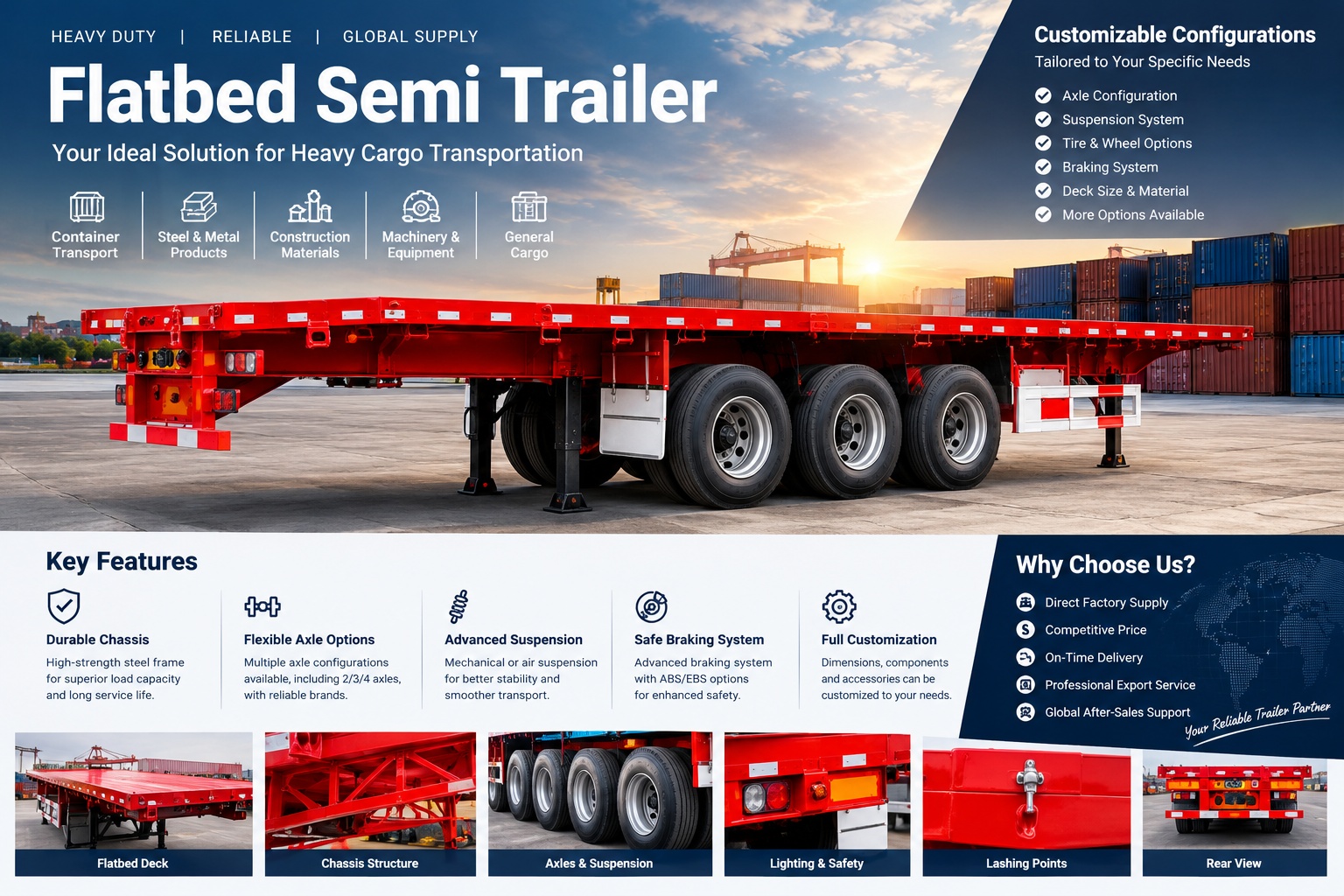
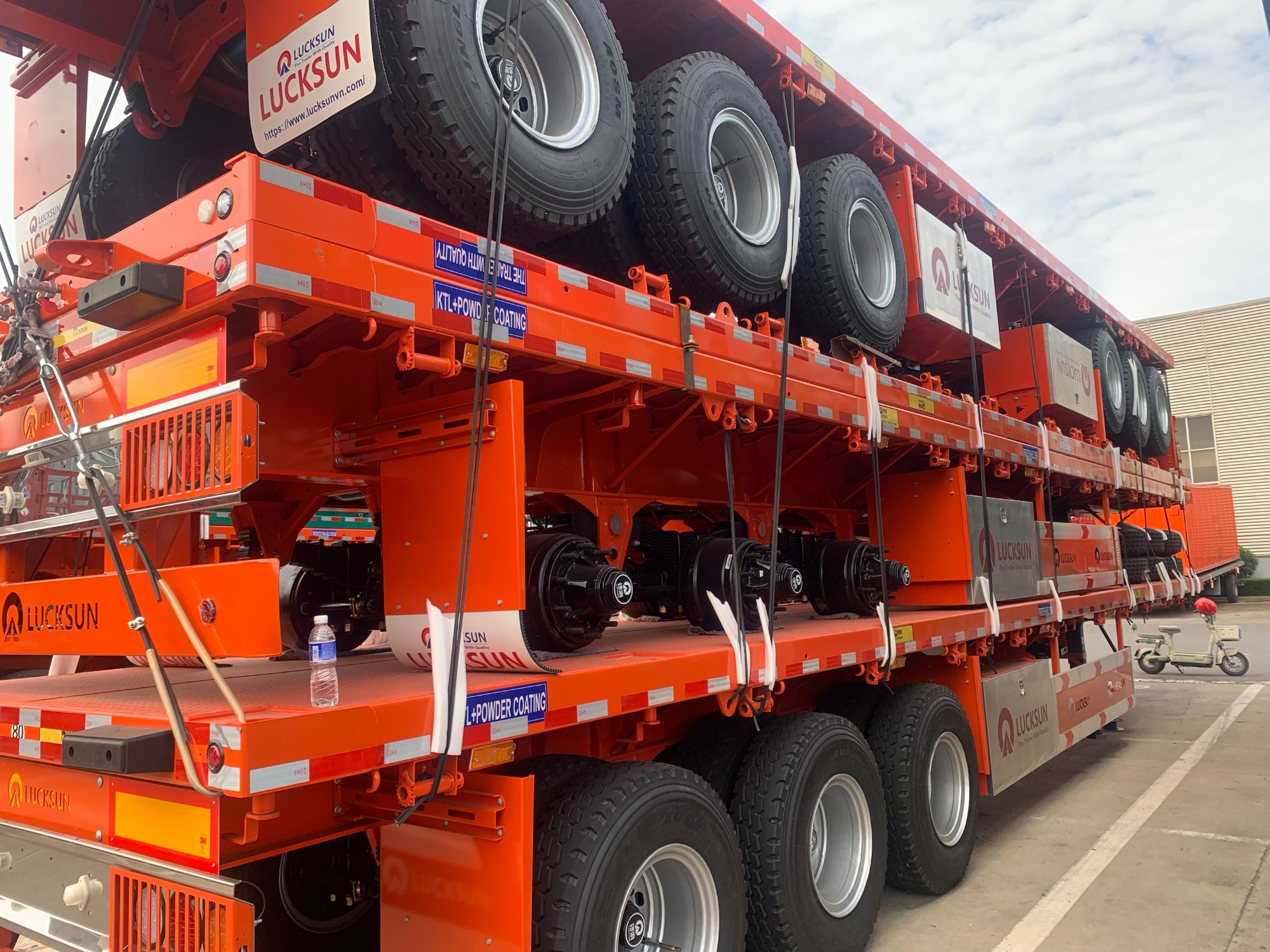
This flatbed semi-trailer features an open deck design for transporting containers, steel products, construction materials, and general cargo. When selecting a trailer, I believe the most important things are the actual load requirements, chassis strength, axle configuration, and road conditions. We can discuss different specifications and customization options to help customers find a practical solution for their transport needs
Video of a flatbed truck departing
A flatbed semi-trailer is a practical transportation solution for businesses moving containers, steel products, construction materials, machinery, and other general cargo. Its open deck design offers flexible loading options, making it suitable for a wide range of commercial transportation operations.
For fleet operators, logistics companies, construction contractors, and trailer distributors, selecting the right flatbed semi-trailer involves more than comparing prices. Load requirements, trailer dimensions, axle configuration, road conditions and destination-country regulations all influence the final specification.
As a semi trailer export supplier, we provide flatbed trailers and related components for international buyers, with configuration options tailored to different transportation needs.
Whether you are purchasing a trailer for your own fleet or sourcing units for resale, our goal is to help you identify a practical configuration that balances operating requirements, durability and purchasing cost.
Key Features of a Flatbed Semi Trailer
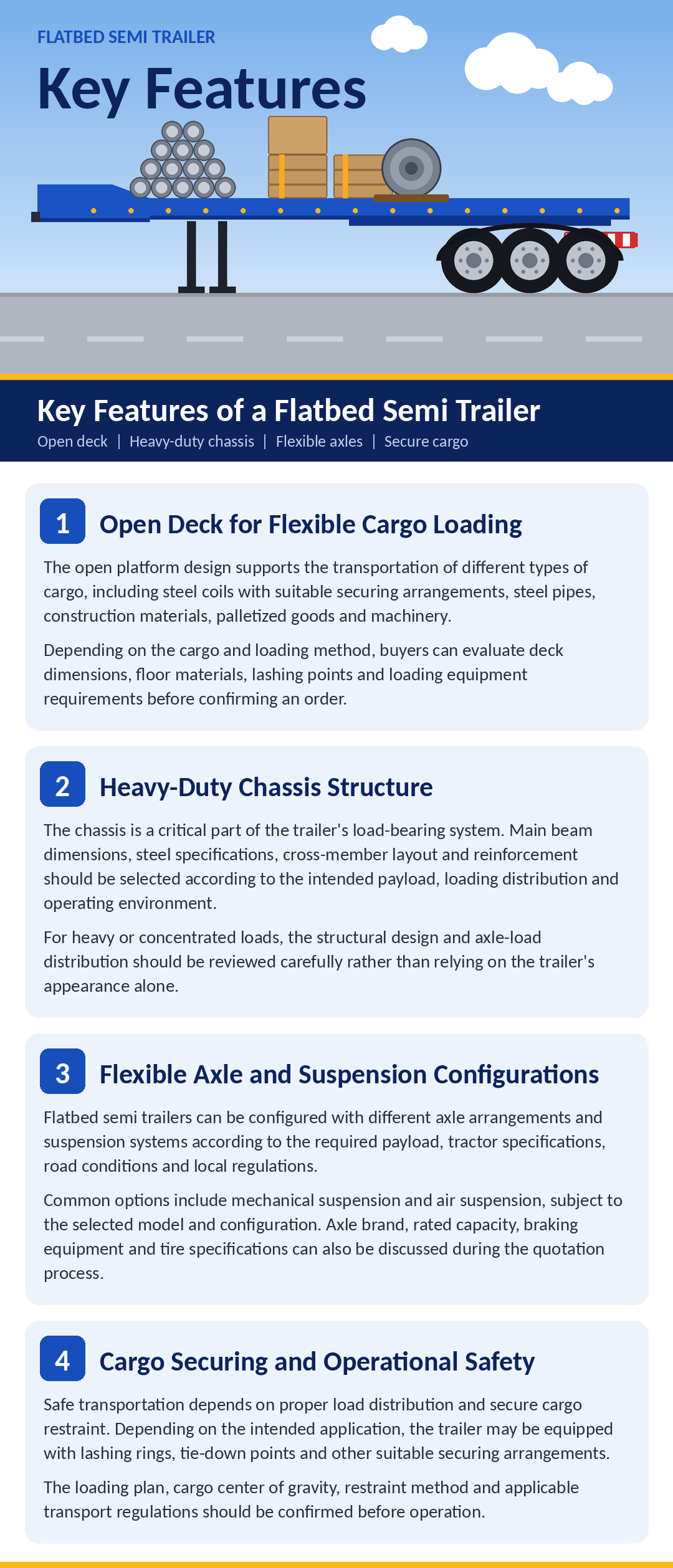
1. Open Deck for Flexible Cargo Loading
The open platform design supports the transportation of different types of cargo, including steel coils with suitable securing arrangements, steel pipes, construction materials, palletized goods and machinery.
Depending on the cargo and loading method, buyers can evaluate deck dimensions, floor materials, lashing points and loading equipment requirements before confirming an order.
2. Heavy-Duty Chassis Structure
The chassis is a critical part of the trailer's load-bearing system. Main beam dimensions, steel specifications, cross-member layout and reinforcement should be selected according to the intended payload, loading distribution and operating environment.
For heavy or concentrated loads, the structural design and axle-load distribution should be reviewed carefully rather than relying on the trailer's appearance alone.
3. Flexible Axle and Suspension Configurations
Flatbed semi trailers can be configured with different axle arrangements and suspension systems according to the required payload, tractor specifications, road conditions and local regulations.
Common options include mechanical suspension and air suspension, subject to the selected model and configuration. Axle brand, rated capacity, braking equipment and tire specifications can also be discussed during the quotation process.
4. Cargo Securing and Operational Safety
Safe transportation depends on proper load distribution and secure cargo restraint. Depending on the intended application, the trailer may be equipped with lashing rings, tie-down points and other suitable securing arrangements.
The loading plan, cargo center of gravity, restraint method and applicable transport regulations should be confirmed before operation.
Typical Applications
A flatbed semi trailer is suitable for a variety of commercial transport tasks.
-
Container transportation: Moving shipping containers when used with a compatible container-securing arrangement.
-
Steel and metal products: Transporting steel sections, pipes, plates and other appropriately secured materials.
-
Construction materials: Delivering building materials, packaged products and structural components.
-
Machinery and industrial equipment: Carrying suitable machinery within the trailer's rated capacity and dimensional limits.
-
General cargo logistics: Supporting distribution, regional freight and long-distance transportation.
The best configuration depends on the cargo dimensions, loading method, route conditions and operating regulations in the destination market.
Custom Flatbed Semi Trailer Configurations
Different transportation businesses have different priorities. A distributor may focus on a configuration suitable for a local market, while a fleet operator may prioritize maintenance convenience, payload requirements and long-term operating costs.
We can discuss the following specifications according to the selected model:
-
Overall trailer length, width and deck height
-
Axle quantity, brand and rated capacity
-
Mechanical or air suspension
-
Tire size, wheel and rim specifications
-
Main beam design and deck material
-
Landing gear and kingpin specifications
-
Brake system and ABS/EBS options, where applicable
-
Container locks and cargo-securing accessories
-
Paint finish, markings and other export requirements
All specifications are subject to technical confirmation, product availability and destination-country regulations. The final configuration should be confirmed in the approved quotation and technical drawing.
How to Choose the Right Flatbed Semi Trailer
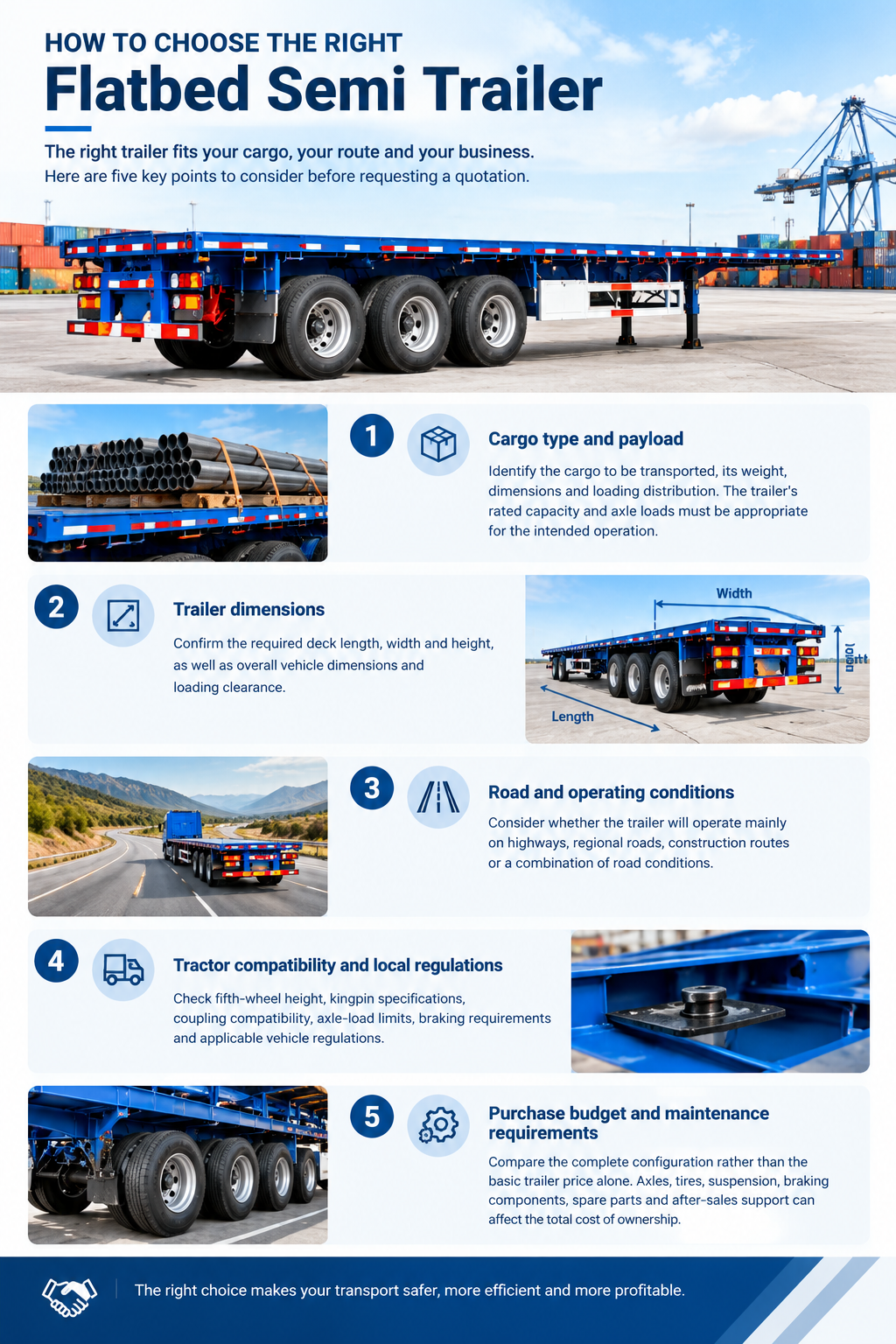
Choosing the right flatbed semi trailer takes more than comparing prices. Consider cargo weight, trailer dimensions, road conditions, tractor compatibility, and long-term maintenance costs. Taking the time to confirm these details helps you find a trailer that better fits your transport needs and budget.
Before requesting a quotation, we recommend confirming five key points.
1. Cargo type and payload
Identify the cargo to be transported, its weight, dimensions and loading distribution. The trailer's rated capacity and axle loads must be appropriate for the intended operation.
2. Trailer dimensions
Confirm the required deck length, width and height, as well as overall vehicle dimensions and loading clearance.
3. Road and operating conditions
Consider whether the trailer will operate mainly on highways, regional roads, construction routes or a combination of road conditions.
4. Tractor compatibility and local regulations
Check fifth-wheel height, kingpin specifications, coupling compatibility, axle-load limits, braking requirements and applicable vehicle regulations.
5. Purchase budget and maintenance requirements
Compare the complete configuration rather than the basic trailer price alone. Axles, tires, suspension, braking components, spare parts and after-sales support can all affect the total cost of ownership.
Flatbed Semi Trailer Supply for Export Markets
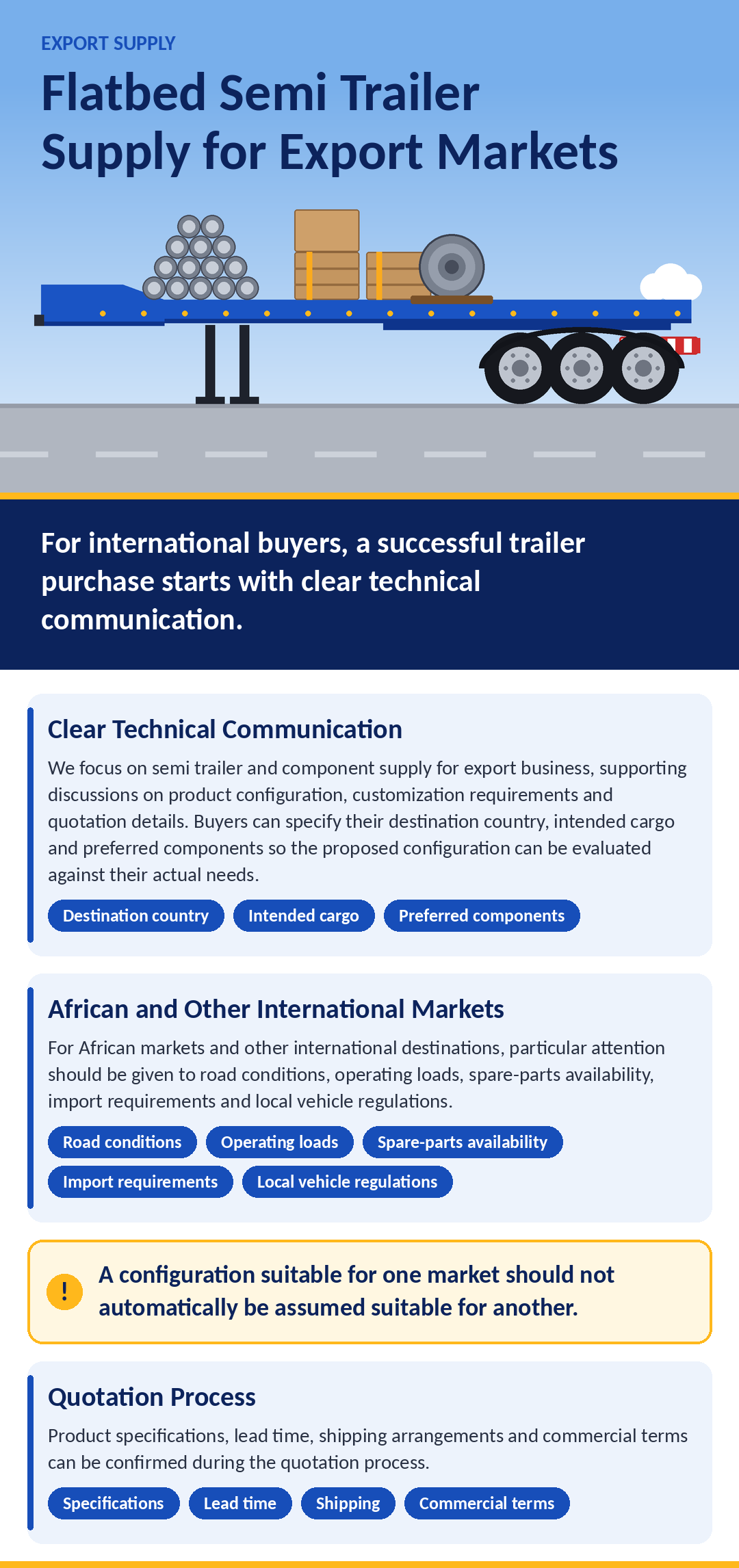
Vertical infographic on flatbed semi trailer supply for export markets, covering technical communication, market-specific considerations and the quotation process.
For international buyers, a successful trailer purchase starts with clear technical communication.
We focus on semi trailer and component supply for export business, supporting discussions on product configuration, customization requirements and quotation details. Buyers can specify their destination country, intended cargo and preferred components so the proposed configuration can be evaluated against their actual needs.
For African markets and other international destinations, particular attention should be given to road conditions, operating loads, spare-parts availability, import requirements and local vehicle regulations. A configuration suitable for one market should not automatically be assumed suitable for another.
Product specifications, lead time, shipping arrangements and commercial terms can be confirmed during the quotation process.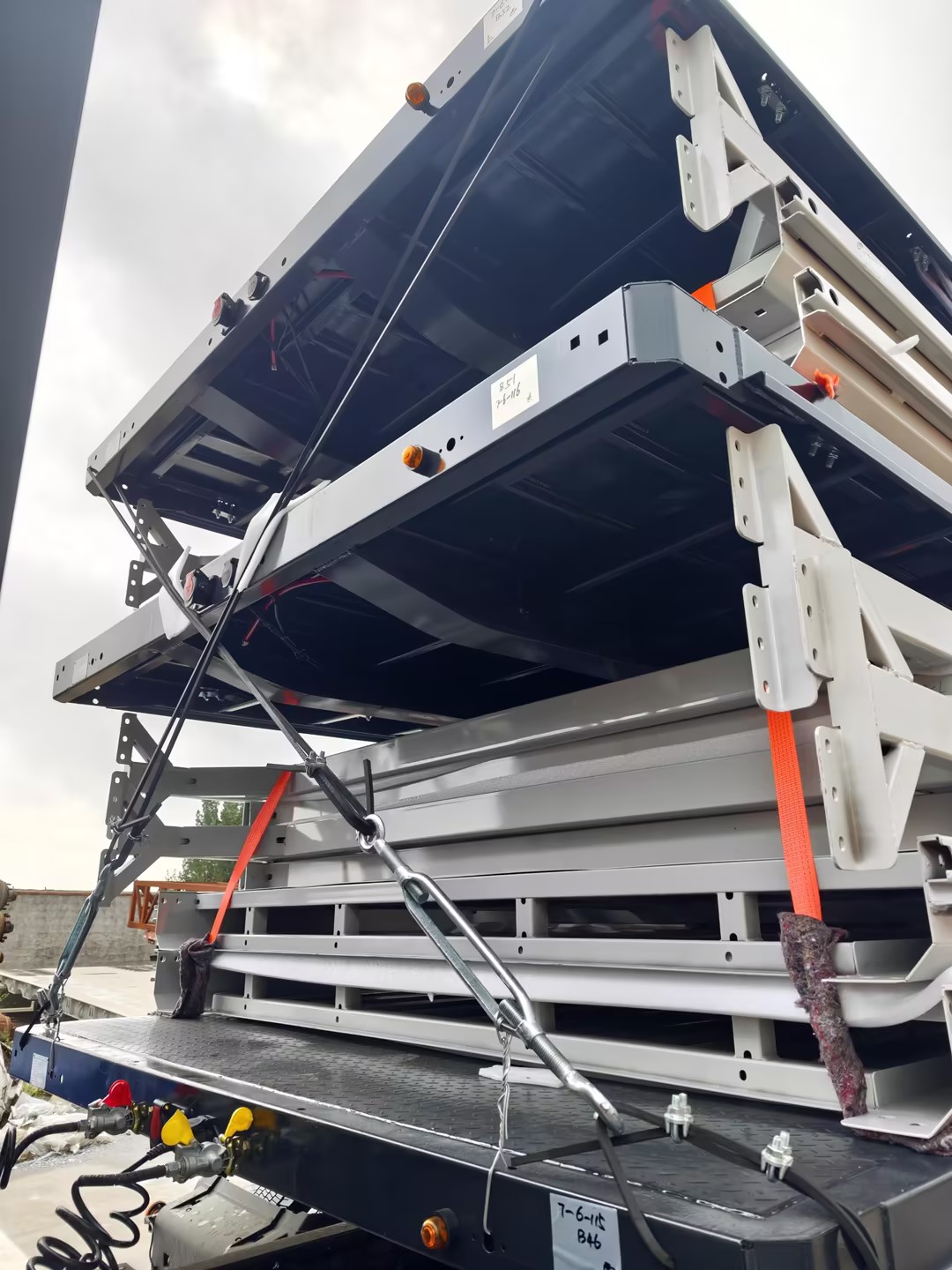
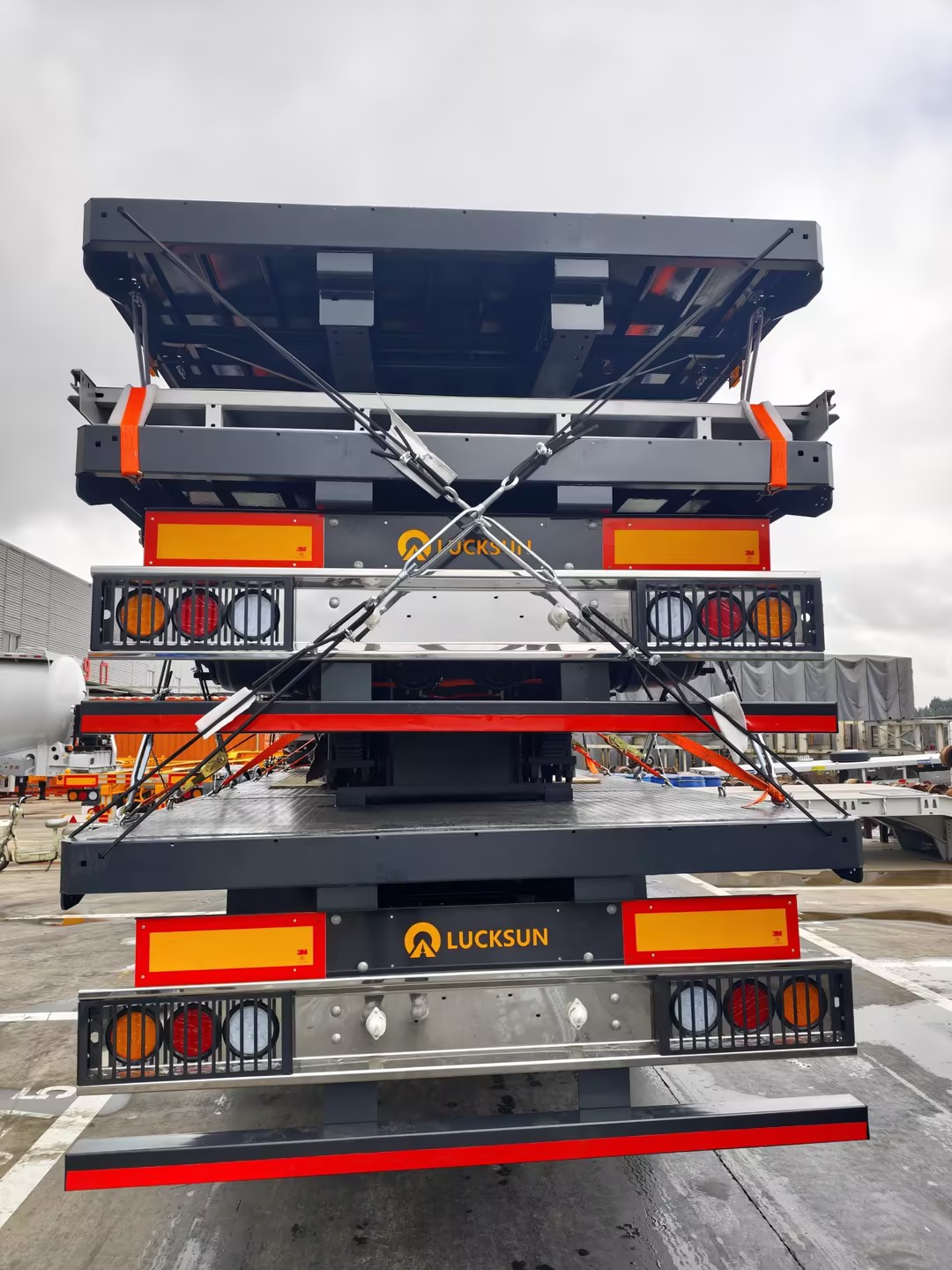
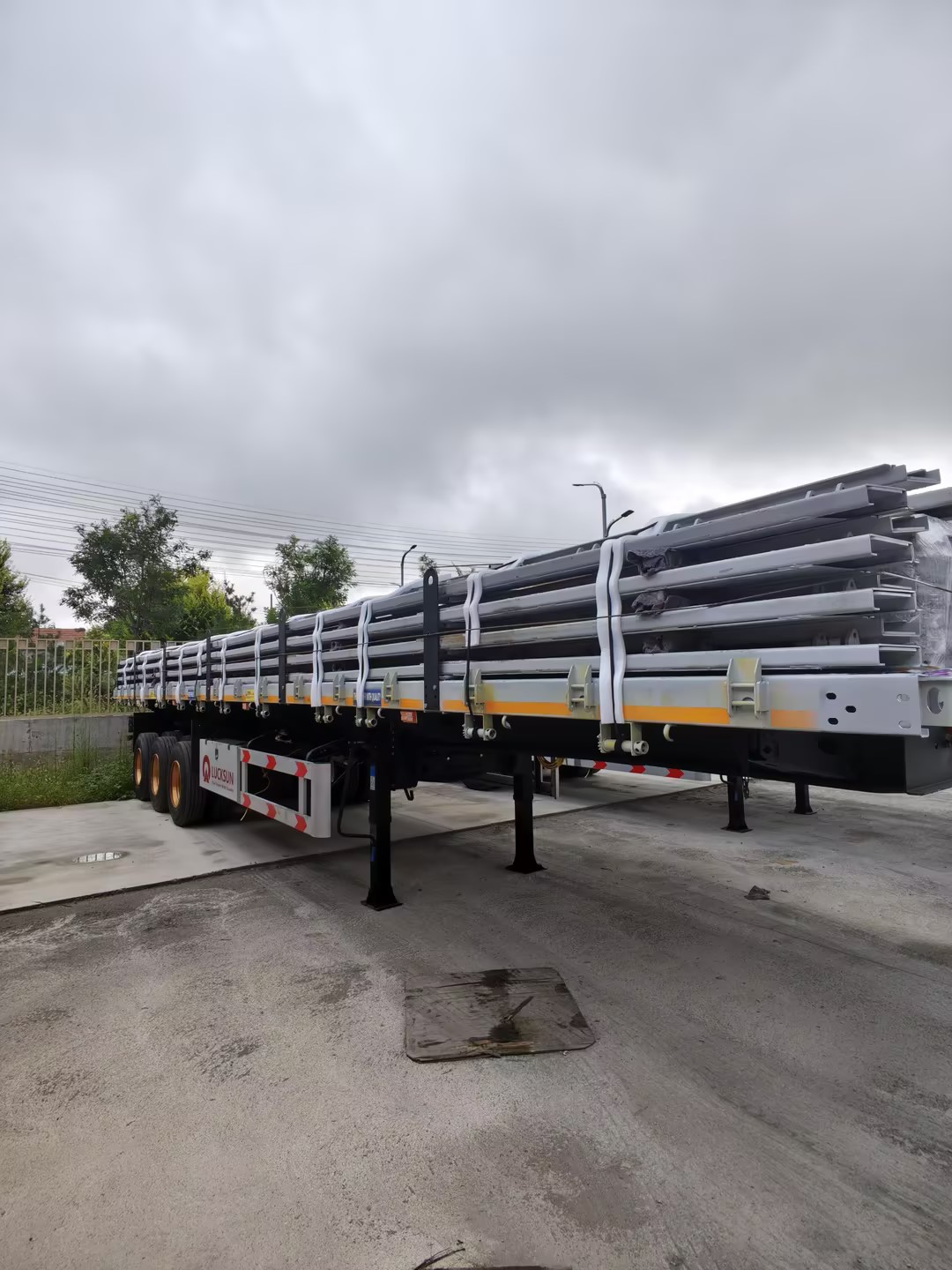
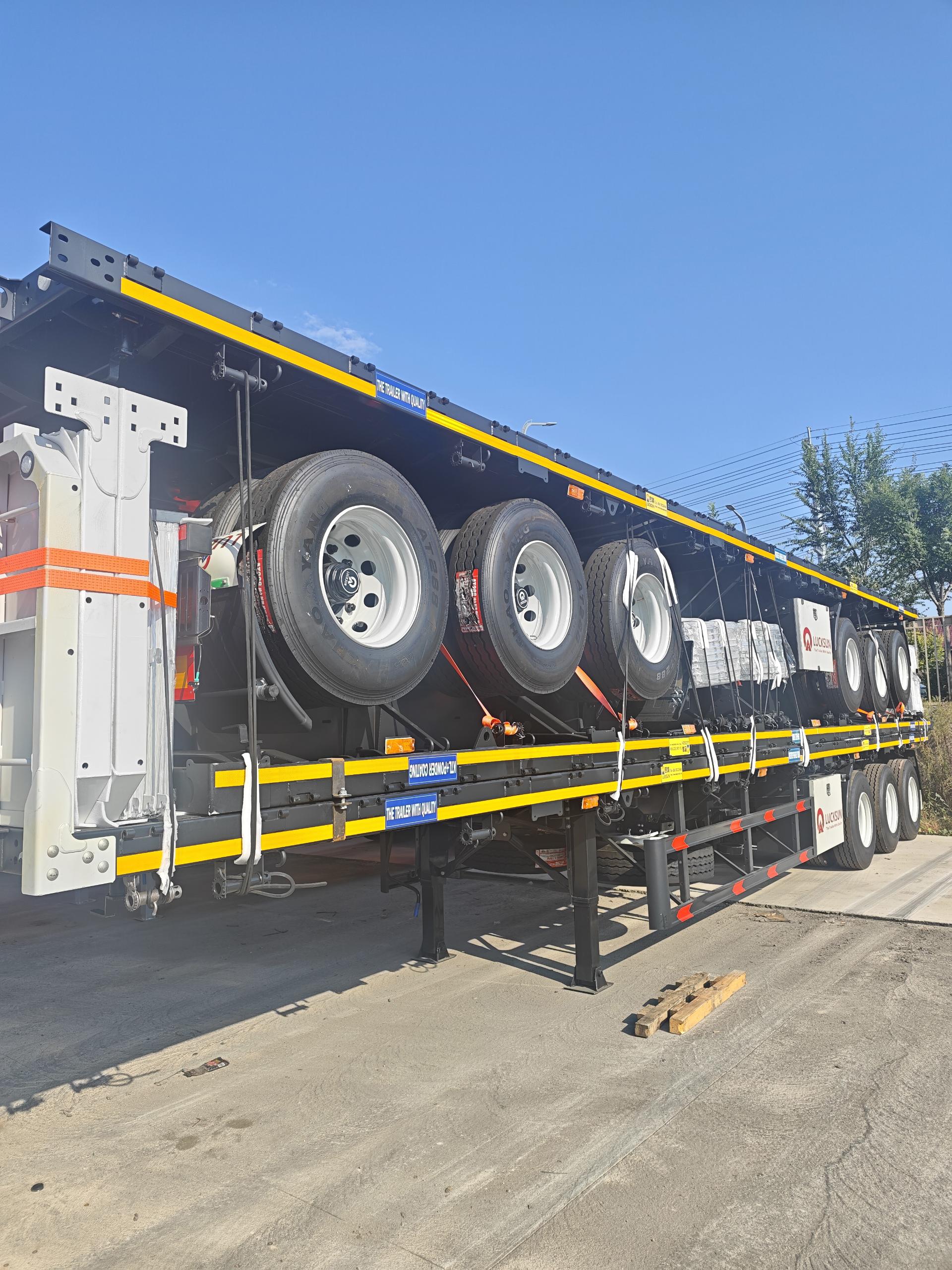
Watch the dispatch of a flatbed semi trailer, showcasing a real delivery scene from our trailer export business in China.
Flatbed semi trailers are widely used for transporting steel products, construction materials, machinery, containers and other general cargo. The right configuration depends on payload requirements, road conditions, trailer dimensions and local regulations.
We specialize in semi trailer and spare parts export, offering product options including flatbed trailers, container chassis trailers, lowbed trailers, dump trailers, axles, suspension systems and landing gear.
Looking for a flatbed semi trailer supplier in China?
Contact us to discuss your requirements, including:
-
Trailer specifications and dimensions
-
Axle and suspension configurations
-
Tires and braking systems
-
Customization options
-
Export quotations and delivery arrangements
Share your destination country, cargo type and required quantity to help us understand your project.
Subscribe for more real trailer dispatch videos, product details and semi trailer export updates.
Flatbed Semi Trailer Pros and Cons: A Practical Guide for Buyers
A flatbed semi trailer is a popular choice for transporting construction materials, steel products, machinery, timber, and other oversized cargo. Its open-deck design makes loading and unloading easier than with many enclosed trailers. However, before purchasing a flatbed trailer, fleet operators, logistics companies, and equipment distributors should understand both its advantages and limitations.
Pros of Flatbed Semi Trailers
1. Flexible cargo capacity
Flatbed semi trailers can carry a wide range of cargo, including steel coils, pipes, lumber, concrete products, and construction equipment. Common deck lengths include 40 ft, 45 ft, 48 ft, and 53 ft, depending on regional regulations and transportation requirements.
A typical three-axle flatbed trailer may have a payload capacity of approximately 40,000–50,000 lb (18–23 metric tons), although the actual capacity depends on the trailer's tare weight, axle configuration, tractor capacity, and legal weight limits.
2. Faster loading and unloading
Without fixed sidewalls or a roof, cargo can be loaded from the side, rear, or top. Forklifts and cranes can access the deck more easily, reducing handling time at suitable loading facilities. This is particularly useful for steel manufacturers, construction contractors, and industrial equipment suppliers.
3. Lower cargo-handling restrictions
Flatbed trailers can transport long, wide, or irregularly shaped items that may not fit inside enclosed trailers. Removable accessories, such as stake pockets, headboards, and cargo winches, can further improve versatility.
4. Potentially lower maintenance costs
A flatbed has fewer enclosed body components than a box trailer. There are no enclosed cargo walls or roof panels to maintain, although the deck, frame, suspension, brakes, tires, and corrosion protection still require regular inspection.
Cons of Flatbed Semi Trailers
1. Limited weather protection
Cargo is exposed to rain, snow, dust, and sunlight. Operators may need waterproof tarpaulins, additional labor, and more time to protect sensitive goods. Flatbeds are therefore less suitable for moisture-sensitive or high-value cargo without appropriate protection.
2. Cargo securing requires experience
Straps, chains, edge protectors, and load-blocking equipment must be selected according to cargo weight and shape. Improperly secured cargo can shift during braking or cornering, creating serious safety risks.
3. Height restrictions
A standard flatbed deck is approximately 5 ft (1.52 m) above the ground. In US jurisdictions with a 13 ft 6 in overall height limit, this leaves roughly 8 ft 6 in for the load, subject to the actual trailer height and applicable regulations.
4. More demanding loading operations
Although loading access is flexible, securing and tarping cargo can require additional labor. Irregularly shaped loads may also need specialized lifting equipment and careful weight distribution.
Is a Flatbed Semi Trailer Worth Buying?
For fleet operators transporting steel, lumber, building materials, and industrial products, a flatbed semi trailer offers excellent versatility. Common US configurations are 48–53 ft long and 102 inches wide, with typical payload figures around 45,000–48,000 lb (20.4–21.8 metric tons), depending on the model and operating regulations.
From a purchasing perspective, compare the trailer's tare weight, axle configuration, deck material, braking system, and load-securing features rather than focusing on purchase price alone. If your business frequently transports tall machinery, a step-deck or lowbed trailer may be a better investment.
The bottom line: A flatbed is an excellent all-purpose transport solution when cargo flexibility matters more than weather protection. The right configuration should match your typical freight, road conditions, and local weight regulations.
Frequently Asked Questions
Q1: What cargo can a flatbed semi trailer carry?
It can transport suitable containers, steel products, construction materials, machinery and general cargo, provided the cargo dimensions, weight distribution, securing method and trailer ratings are appropriate.
Q2: Can I order a flatbed semi trailer with customized specifications?
Customization can be discussed for dimensions, axle configuration, suspension, tires, braking equipment and accessories, subject to the selected model and technical feasibility.
Q3: How many axles should a flatbed semi trailer have?
The appropriate axle arrangement depends on the intended payload, axle-load regulations, route conditions and tractor configuration. Three-axle models are common in many markets, but the correct setup should be confirmed for each application.
Q4: What information is needed for an accurate quotation?
Please provide your destination country, required quantity, cargo type, target payload, preferred dimensions and any specified component brands or technical requirements. If available, a reference photo or technical specification sheet is also helpful.
Q5: Can you supply trailer spare parts?
Semi trailer components can be discussed alongside complete trailers, including axles, suspension systems, landing gear and other compatible parts. Availability and compatibility should be confirmed for the requested specifications.
Request a Flatbed Semi Trailer Quote
Looking for a flatbed semi trailer for your fleet, distribution business or cargo transportation project?
Share your destination market, cargo requirements, target payload and preferred configuration. Our team can review your requirements and provide a quotation based on the specifications discussed.
Contact us today to discuss your flatbed semi trailer requirements and explore a configuration suited to your business.
Hello, I am interested in your flatbed semi trailer.
Destination country:
Required quantity:
Cargo type:
Target payload:
Preferred trailer dimensions:
Axle and suspension requirements:
Other specifications:
Please provide a suitable configuration and quotation.